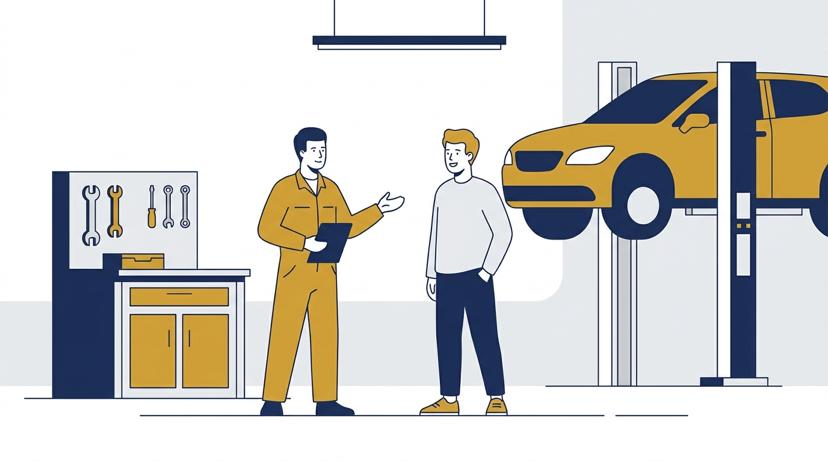
Arkansas auto repair laws fall under the Deceptive Trade Practices Act (ADTPA). While the state lacks a specific automotive regulatory board, consumers are protected against unconscionable acts like unauthorized repairs, exceeding quotes without permission, and deceptive billing. If a shop violates these standards, you can recover financial losses and potentially attorney's fees.
Key Takeaways
- Arkansas uses the Deceptive Trade Practices Act (ADTPA) as a 'catch-all' for auto repair disputes.
- Mechanics cannot legally charge for unauthorized repairs or work that exceeds a quoted price without consent.
- A possessory lien only applies to reasonable charges for authorized work; holding a car 'hostage' for unauthorized fees is conversion.
- Documentation is your best weapon—always demand written estimates and itemized invoices.
- A formal demand letter citing state statutes is often more effective and faster than going to Small Claims Court.
Navigating auto repair laws arkansas can feel like driving through a thick fog without headlights. Unlike states with highly specific automotive regulatory agencies, Arkansas relies heavily on broader consumer protection frameworks to keep shops in line. This lack of a dedicated "Auto Repair Bill of Rights" often leaves vehicle owners feeling powerless when a mechanic returns a car in worse shape than they found it or presents a bill twice the size of the original quote. However, the law provides significant leverage to those who know how to document a dispute and demand a resolution before stepping foot in a courtroom.
Trials are slow, expensive, and often unnecessary. While many consumers believe their only path to justice is a judge's gavel, the most effective way to "fix the problem" is by using the rules of the road—estimates, authorizations, and invoices—to seek a settlement. By understanding how the Arkansas Deceptive Trade Practices Act (ADTPA) applies to the grease and gears of a local shop, consumers can move from frustration to resolution without the "failure state" of a protracted legal battle.
The Landscape: Why Arkansas is Different
In many jurisdictions, such as those covered in the Auto Repair Laws Colorado Guide, there are specific statutes that mandate exactly how a mechanic must provide an estimate. Arkansas is different. The state does not license independent repair shops or have a stand-alone "Motor Vehicle Repair Act." Instead, the primary tool for consumer protection is the Arkansas Deceptive Trade Practices Act (ADTPA).
Under Ark. Code Ann. 4-88-107(a)(10), any "unconscionable, false, or deceptive act or practice in business, commerce, or trade" is prohibited. This is a "catch-all" provision. It means that if a shop engages in conduct that a reasonable person would find oppressive or unfair—like charging for work they didn't do—it is a violation of state law. Because there is no specific board to complain to, the burden of enforcement falls on the consumer. This makes the formal demand letter the most critical weapon in a vehicle owner's arsenal.
5 Key Protections Under Arkansas Law
1. The Right to a Written Estimate
While Arkansas law does not strictly require a written estimate for every single bolt turned, the Attorney General’s consumer-protection guidance strongly encourages it. More importantly, if a shop fails to provide a written estimate of labor and parts before beginning work, this can be classified as an unconscionable practice under the ADTPA.
When a shop proceeds without an estimate and then hits the consumer with a massive bill, they have deprived the owner of the chance to authorize the work. Under Ark. Code Ann. 4-88-113(f), a consumer who suffers a financial loss because they relied on this lack of transparency can seek to recover that loss plus reasonable attorney’s fees.
2. Protection Against Unauthorized Repairs
Imagine dropping a truck off for an oil change and returning to find the shop replaced the entire transmission without calling first. Performing repairs—or additional repairs beyond what was originally approved—without obtaining the consumer’s authorization is a deceptive practice.
Charging for work the customer never agreed to is considered oppressive conduct. In these cases, the law allows the consumer to recover the amount paid for the unauthorized work as an "actual financial loss." The shop cannot simply decide what the consumer's budget is; the power of authorization remains with the vehicle owner.
3. Exceeding the Authorized Quote
A quote is a promise. If a shop provides a figure, gets approval, and then bills substantially more without obtaining a new authorization for the overage, they have engaged in deceptive conduct. The consumer relied on the quoted price when entrusting the vehicle to the shop. Under the ADTPA, the recoverable loss is the difference between the final bill and the value of the services that were actually authorized.
4. The Duty of Documentation (Invoices)
A shop's refusal to provide a written invoice that itemizes parts and labor is a major red flag. Withholding this documentation prevents the consumer from verifying that the work was actually performed and hides potential overcharges. Because Arkansas lacks a specific invoice statute for independent shops, this refusal is reached through the ADTPA catch-all. Without an itemized list, a consumer has no "proof" of what they paid for, which is a tactic often used to conceal fictitious or unnecessary repairs.
5. Defective Workmanship and Negligence
Sometimes the issue isn't the price, but the quality. If a shop performs work negligently or fails to meet a "workmanlike standard," they have breached their service contract. Arkansas common law allows consumers to pursue damages for both breach of contract and negligence.
If a mechanic's careless work causes additional damage—for example, forgetting to tighten a drain plug, leading to a seized engine—the shop is liable for the cost to correct the defective work and any resulting losses. Furthermore, representing that a vehicle is "fixed" when the work is actually defective is a misrepresentation under Ark. Code Ann. 4-88-107(a)(10).
What Most People Miss: The "Hostage" Vehicle Nuance
One of the most stressful scenarios involves a shop refusing to release a vehicle unless a disputed bill is paid in full. Mechanics often point to a "possessory lien" as their justification. Under Ark. Code Ann. 18-45-201, a repairman does have a lien, but it only secures reasonable charges for authorized work.
It does not secure:
- Unauthorized repairs.
- Padded or inflated charges.
- Fees for work that was never performed.
If a shop holds a vehicle "hostage" to extract payment for unauthorized or excessive charges, they are asserting the lien wrongfully. This can lead to a claim for "conversion"—the legal term for someone else treating your property as their own. In such cases, the consumer may be able to recover damages for the "loss of use" of their vehicle while it was wrongfully withheld.
In states like New York or California, there are specific administrative bodies that might intervene. In Arkansas, the most effective way to break this stalemate is to demonstrate to the shop that their "possessory lien" is legally fragile because the underlying charges are unauthorized or deceptive.
Common Pitfalls: Why "Just Suing" Often Fails
Many consumers jump straight to the idea of "taking them to court." While Small Claims Court is an option, it is often a slow road to a disappointing result. Judges in Small Claims Court are often generalists; they may not understand the mechanical nuances of a fuel injection system or the specific "catch-all" applications of the ADTPA.
The biggest pitfall is a lack of documentation. A consumer who walks into court with nothing but a "he said, she said" story will likely lose. To win, one must show "actual financial loss proximately caused by reliance on the practice," as required by Ark. Code Ann. 4-88-113(f).
Another common error is failing to give the shop a formal opportunity to settle. Most shops are small businesses. They want to avoid the headache of a lawsuit and the potential for a judge to award attorney's fees against them. A verbal argument at the front desk rarely achieves this. A formal, structured demand letter that cites specific Arkansas statutes, however, changes the math for the shop owner.
The Superior Way: Using DemandDraft to Resolve the Dispute
The goal is to resolve the dispute without the time and expense of a trial. This is where the DemandDraft mechanism becomes essential. Instead of a generic complaint, DemandDraft helps consumers create a Formal Demand Letter that speaks the language of the law.
Why the Mechanism Works
The mechanism is built on the concept of "Strategic Legal Pressure." By laying out the specific issues—such as a missing invoice or unauthorized repairs—and citing sections of the Arkansas Deceptive Trade Practices Act, the letter moves the dispute from a personal argument to a legal question.
When a shop receives a professional demand that mentions Ark. Code Ann. 4-88-107(a)(10) and the potential for the consumer to recover attorney's fees, the risk calculation changes. The shop owner realizes that continuing to fight could cost them thousands more than simply refunding the unauthorized charge or fixing the defective work.
Strategic Application
- Identify the Violation: Was it an unauthorized repair? A bait-and-switch on parts? A refusal to return replaced parts?
- Quantify the Loss: Calculate the "actual financial loss." This is the difference between what was paid and the actual market value of the services authorized and rendered.
- Deploy the Demand: Use a structured format that provides a clear deadline for a response. This sets the stage: either the shop settles now, or they face the consequences of a formal claim where they may be responsible for the consumer's legal costs.
This approach empowers the consumer to act without needing to hire an expensive attorney upfront. It uses the existing auto repair laws arkansas to create a path toward a "fix" that is faster and more certain than a court date.
Start Your Resolution Process Today
You don't have to accept poor workmanship or "surprise" bills as the cost of car ownership. The law in Arkansas provides the tools to fight back, provided you use them correctly. By focusing on documentation and leveraging the power of the Arkansas Deceptive Trade Practices Act, you can seek a resolution and get your vehicle—and your money—back on the road.
Start your demand letter to start the resolution process today.
Frequently Asked Questions
Does Arkansas require mechanics to provide a written estimate?
While there isn't a specific stand-alone statute, failing to provide an estimate can be considered an 'unconscionable practice' under the Arkansas Deceptive Trade Practices Act if it leads to unexpected charges.
Can a mechanic in Arkansas keep my car if I refuse to pay for unauthorized work?
No. A mechanic's lien only secures payment for authorized work. If they withhold your vehicle for unauthorized or fraudulent charges, they may be liable for 'conversion' and loss of use damages.
What can I do if a shop performs repairs I didn't approve?
Under Arkansas law, you can seek to recover the amount paid for unauthorized work as an 'actual financial loss' because the shop engaged in deceptive or oppressive conduct.
How do I prove a mechanic ripped me off in Arkansas?
You must show an actual financial loss caused by the shop's deceptive practice. This is best done through written estimates, itemized invoices, and photos of defective workmanship.
Is it worth suing a mechanic in Arkansas Small Claims Court?
Small Claims is an option, but it is often slow. Sending a formal demand letter citing Ark. Code Ann. 4-88-107 is usually a faster way to seek a settlement without a trial.