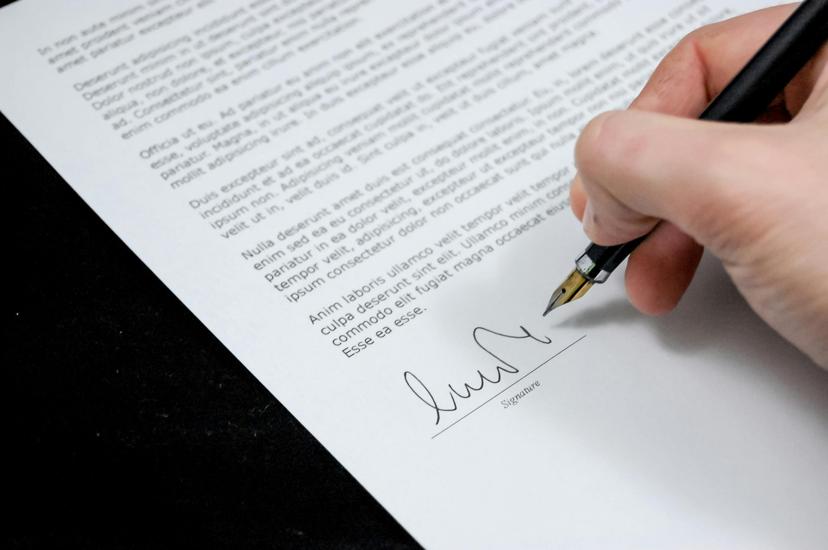
This guide provides a step-by-step framework for writing a professional demand letter to resolve auto repair disputes regarding overcharging or faulty work. It explains how to document evidence and set firm deadlines to create a critical paper trail before pursuing legal action.
Key Takeaways
- A formal demand letter is a professional first step to resolve auto repair disputes before filing a formal complaint or heading to small claims court.
- Building a strong case requires gathering comprehensive evidence, including written estimates, final invoices, payment receipts, and photos of faulty repairs.
- The letter must include a clear, chronological narrative of the service dates, the original agreement, and the specific problems encountered.
- You must clearly calculate and state the exact amount of damages, such as the specific cost of overcharges or the price of repairs needed to fix a mechanic's mistake.
- Setting a firm response deadline of 7 to 14 days creates urgency and signals that you are prepared to pursue further legal remedies.
- Sending the letter via certified mail is essential to provide proof of delivery, which serves as evidence of your attempt to resolve the dispute.
It’s an infuriating and all-too-common scenario: your car repair bill is significantly higher than the written estimate, the original problem still isn’t fixed, or you suspect you’ve been charged for unnecessary work. You’ve tried talking to the auto repair shop manager, but you’ve hit a wall. You feel powerless and don’t know what to do next.
Before you consider filing a formal complaint or heading to small claims court, there is a powerful and professional first step you can take yourself: writing a formal demand letter.
This guide will walk you through exactly how to write a demand letter for an auto repair dispute. It’s designed to empower you with a clear plan to state your case, demand the resolution you deserve, and create a critical paper trail.
Before You Begin: Gather Your Evidence
A powerful demand letter is built on a foundation of solid evidence. Before writing, you must get organized. This shows the auto repair shop that you are serious and meticulous.
- Gather Your Documents: Collect every piece of paper related to the auto repair. This includes the initial written estimate, the final invoice, your payment receipt, and any written warranties from the shop.
- Collect Proof: Gather photos or videos that support your claim. This could be pictures of the faulty repair or dashboard warning lights that are still on. If another mechanic inspected the car, have their written assessment ready.
- Adopt a Professional Mindset: The most effective demand letters are factual and calm. Avoid anger and stick to the events as they happened. Your goal is to present a logical argument, not an emotional one.
Step 1: State the Facts of the Auto Repair Dispute
Begin by constructing a clear, chronological narrative of the events. Assume the person reading it knows nothing about your situation.
Use bullet points to list the key details to make the information easily digestible:
- Service Dates: YWhen did you bring your car in and when did you pick it up?
- The Agreement: What was the initial written estimate for the repair?
- The Problem: What was the issue with the repair? (e.g., "The final invoice was $750 over the written estimate without my authorization," or "The check engine light returned 24 hours after the repair.").
- Communication: Detail your attempts to resolve the issue directly with the shop, including dates and names of people you spoke with.
Step 2: Explain and Calculate Your Damages
Here, you need to clearly state what you are owed and how you arrived at that specific number. Ambiguity is your enemy.
- For Overcharges: If the mechanic charged you more than the estimate, your damage is the amount of the overcharge.
- For Faulty Repairs: If the faulty repair required you to get the car fixed by another shop, your damage is the cost of the second repair. Attach the invoice from the second mechanic.
- For Negligence: If the mechanic’s mistake caused further damage to your car (e.g., they put in the wrong oil and damaged the engine), you must include the estimate for that new repair.
Step 3: Make a Clear and Specific Demand
This is the core of your letter. Tell the auto repair shop exactly what you want.
- If you demand money, state the exact amount: "I demand a refund in the amount of $750, representing the unauthorized charge over the written estimate."
- If you demand action, state it clearly: "I demand that you refund the $500 cost of the initial repair that failed to fix the problem."
Step 4: Set a Firm Deadline for a Response
To create urgency and show you have a plan, you must set a firm deadline. A reasonable period is 7 to 14 days from their receipt of the letter.
State the deadline clearly: "I expect a full response and payment by July 25, 2025. If I do not receive a resolution by this date, I will pursue all available legal remedies, including filing a formal complaint with the Bureau of Automotive Repair and suing in small claims court."
Feeling Overwhelmed? A proper demand letter is your most critical tool. Our AI can help you structure, format, and draft a professional letter for your specific auto repair dispute in minutes. Generate Your Demand Letter Now.
The Professional Touch: Tone and Formatting
The presentation of your letter is critical. A professional tone and format signal that you are serious and must be taken seriously.
- Tone: Be assertive but polite. Avoid accusatory or emotional language, which can undermine your position.
- Formatting: The letter must be typed. Use a standard business letter format with your name and address, the date, and the auto repair shop’s full name and address. Send the letter via a method that provides proof of delivery, like certified mail.
What Comes Next?
After you send your demand letter, the shop may agree to your demand, contact you to negotiate, or ignore you. If they ignore you, the letter has still done its job. You have created a crucial piece of evidence demonstrating your serious attempt to resolve the dispute, which will be essential when you file a complaint with the Bureau of Automotive Repair (BAR) or sue in small claims court.
Conclusion: Take Control of Your Auto Repair Dispute
A well-written demand letter is the most effective first step in resolving an auto repair dispute. It formalizes your complaint, proves you are serious, and often produces results without the cost and time of going to court. By following these steps, you can advocate for yourself professionally and take back control of the situation.
Ready to get your money back from a mechanic?
Frequently Asked Questions
What should I include in a demand letter to a mechanic?
You should include a chronological summary of the dispute, a clear calculation of the damages you are owed, and a specific demand for a refund or corrective action.
How long should I give a mechanic to respond to my demand letter?
A reasonable period for a response is typically 7 to 14 days from the date the mechanic receives the letter.
Why should I send my demand letter via certified mail?
Certified mail provides proof of delivery, which is a crucial piece of evidence if you later need to file a complaint with the Bureau of Automotive Repair or sue in small claims court.
What can I do if the mechanic ignores my demand letter?
If the shop ignores your letter, you can use the documented paper trail to file a formal complaint with regulatory agencies or proceed with a lawsuit in small claims court.